
What is an Exoskeleton?

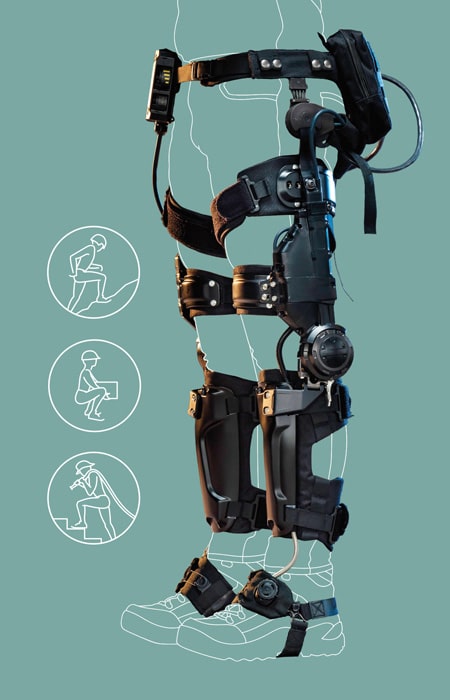
Exoskeletons are devices that augment human capabilities and performance in specific tasks. Unlike prosthesis, whose primary function is to replace a natural organ or biological function with an artificial substitute, exoskeletons focus on increasing the power of the pilot by mirroring their motion and providing assistance on demand.

The potential applications of exoskeleton technology continues to be limited only by the absence of a human operator. Exoskeletons are slowly beginning to assist in physically strenuous tasks in the healthcare, industrial, and military sectors where presence of a human operator is both preferred and critical.
Early Design History

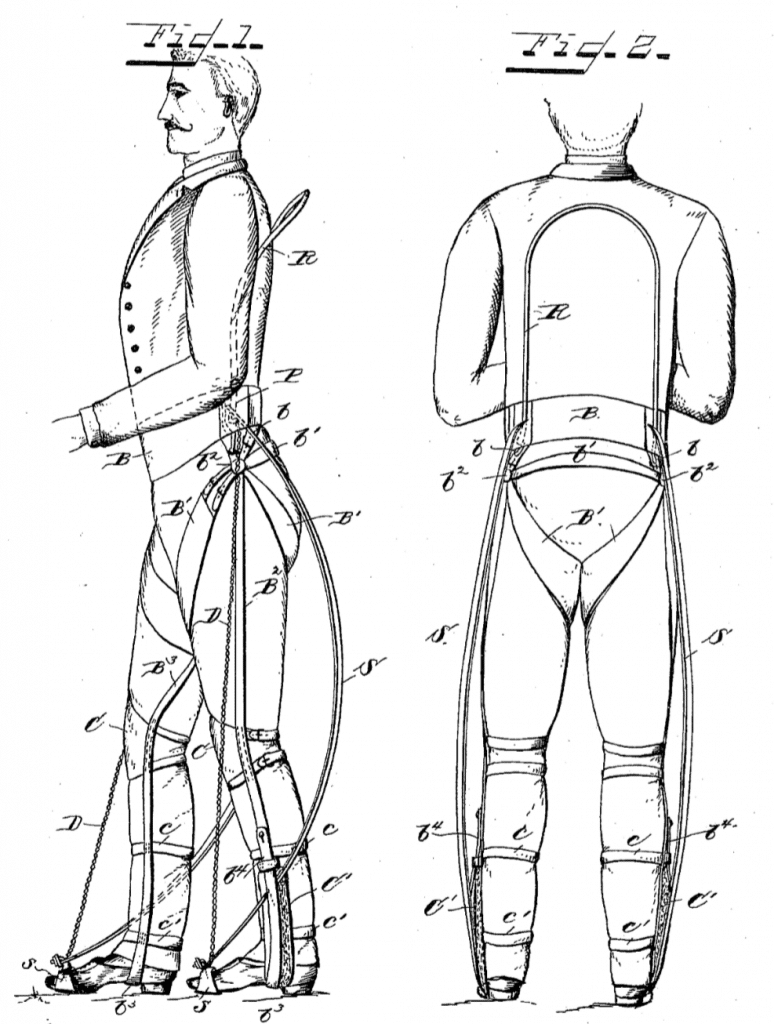
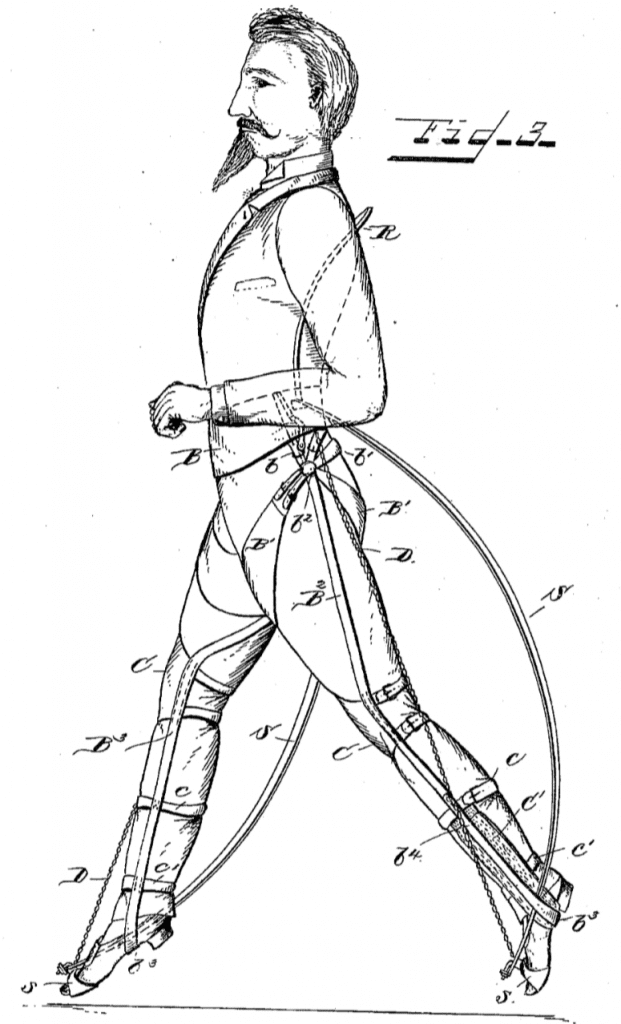
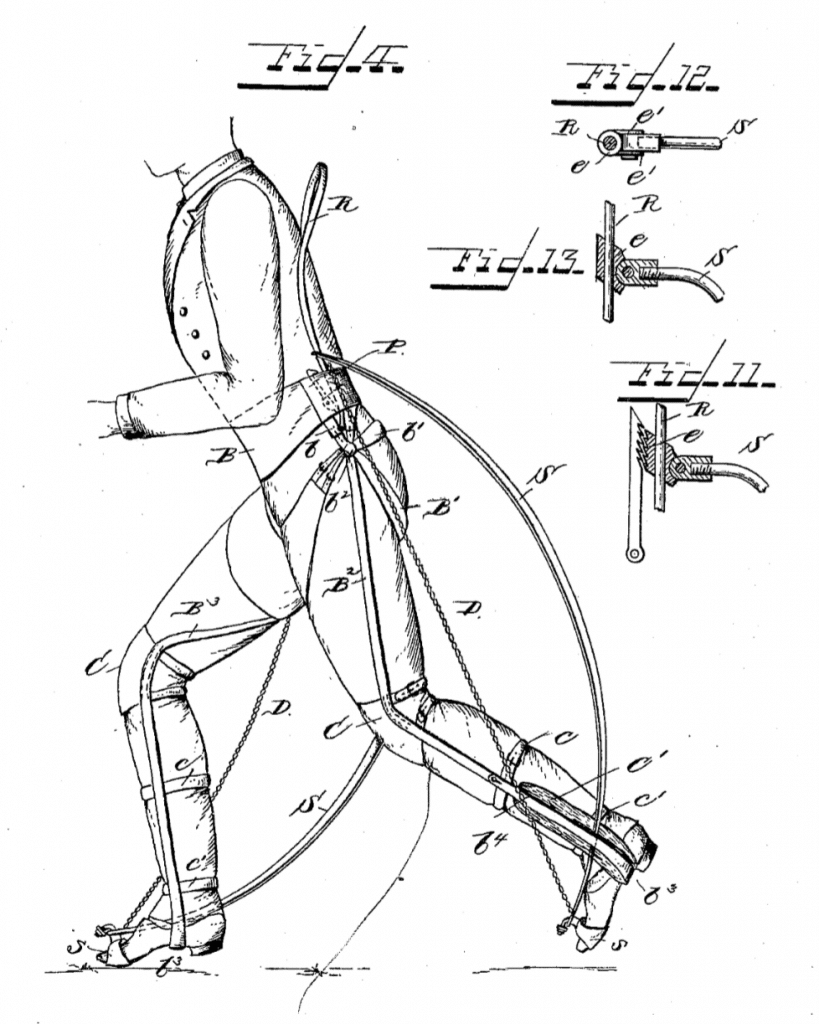
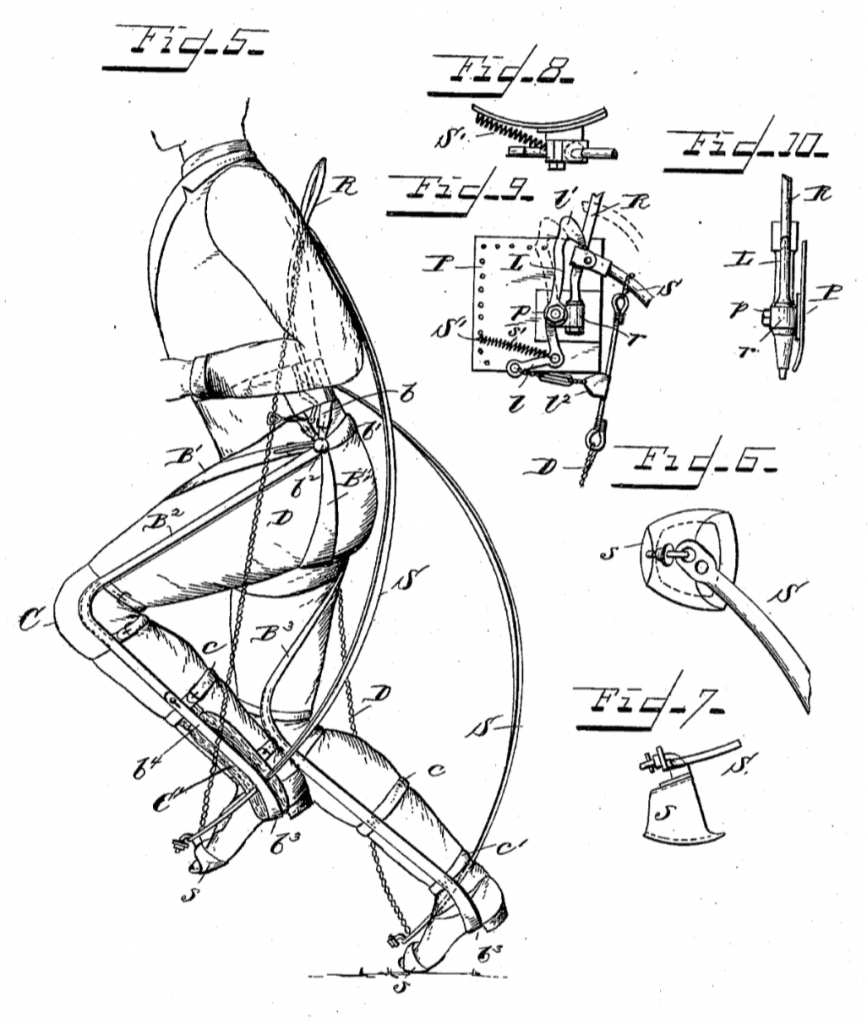
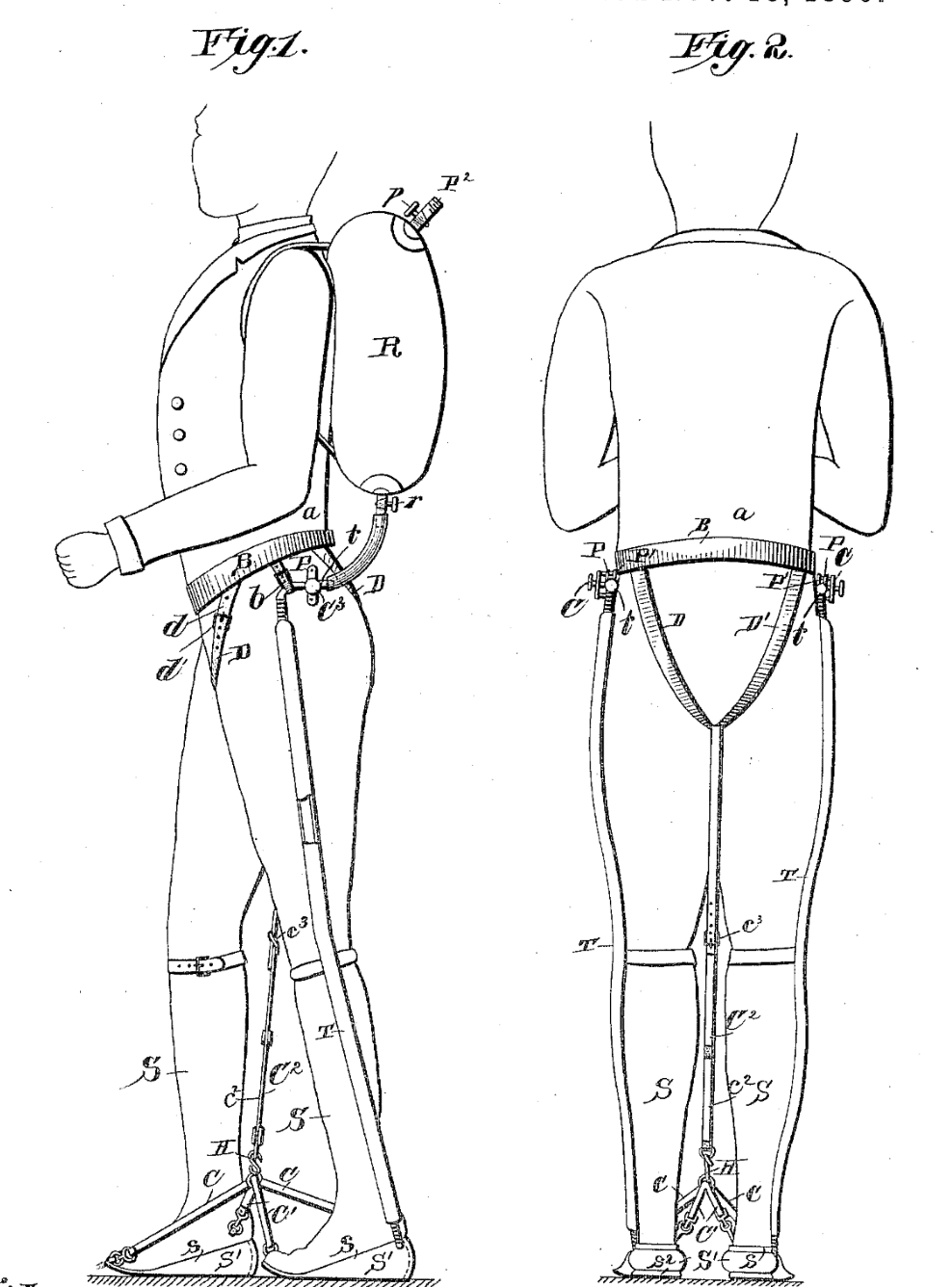
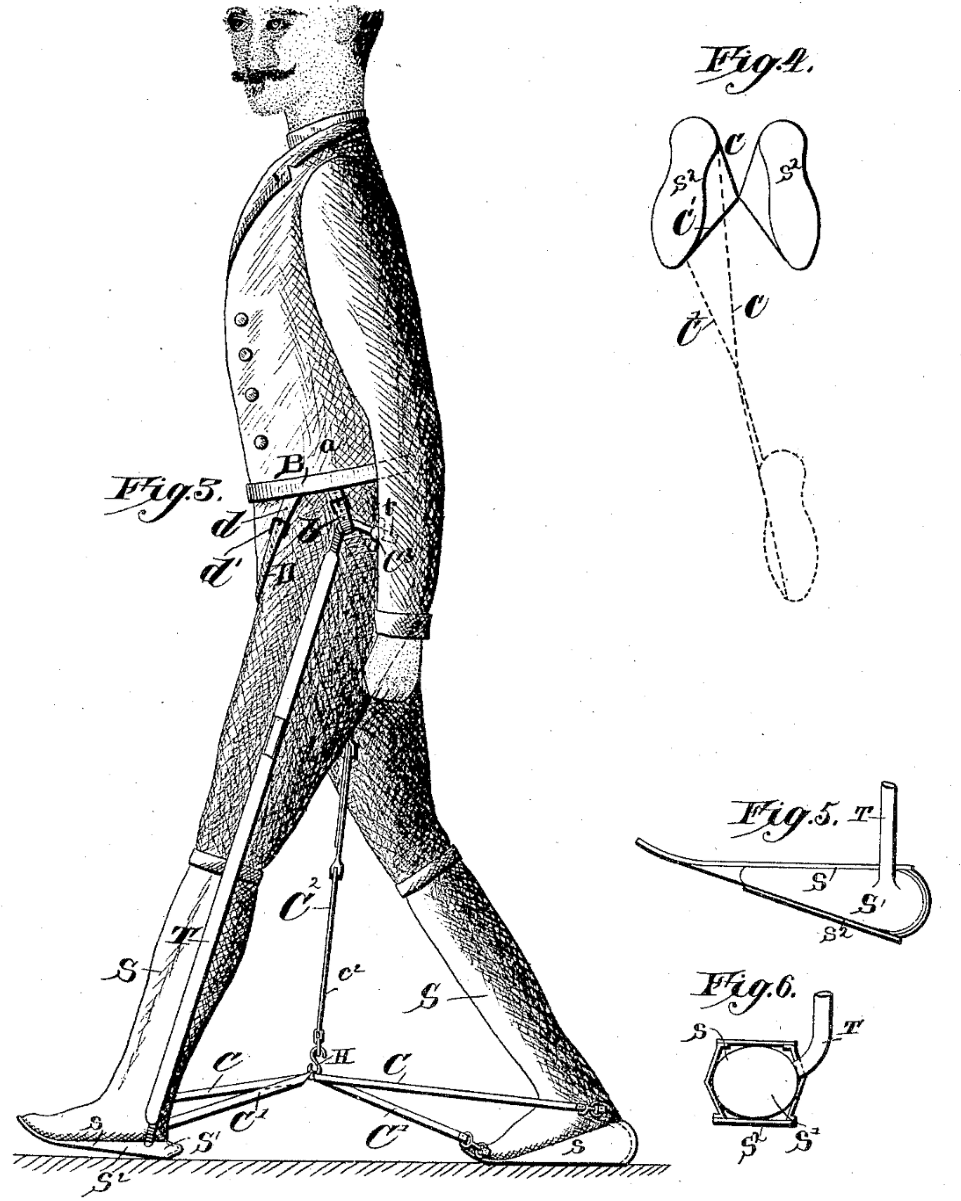
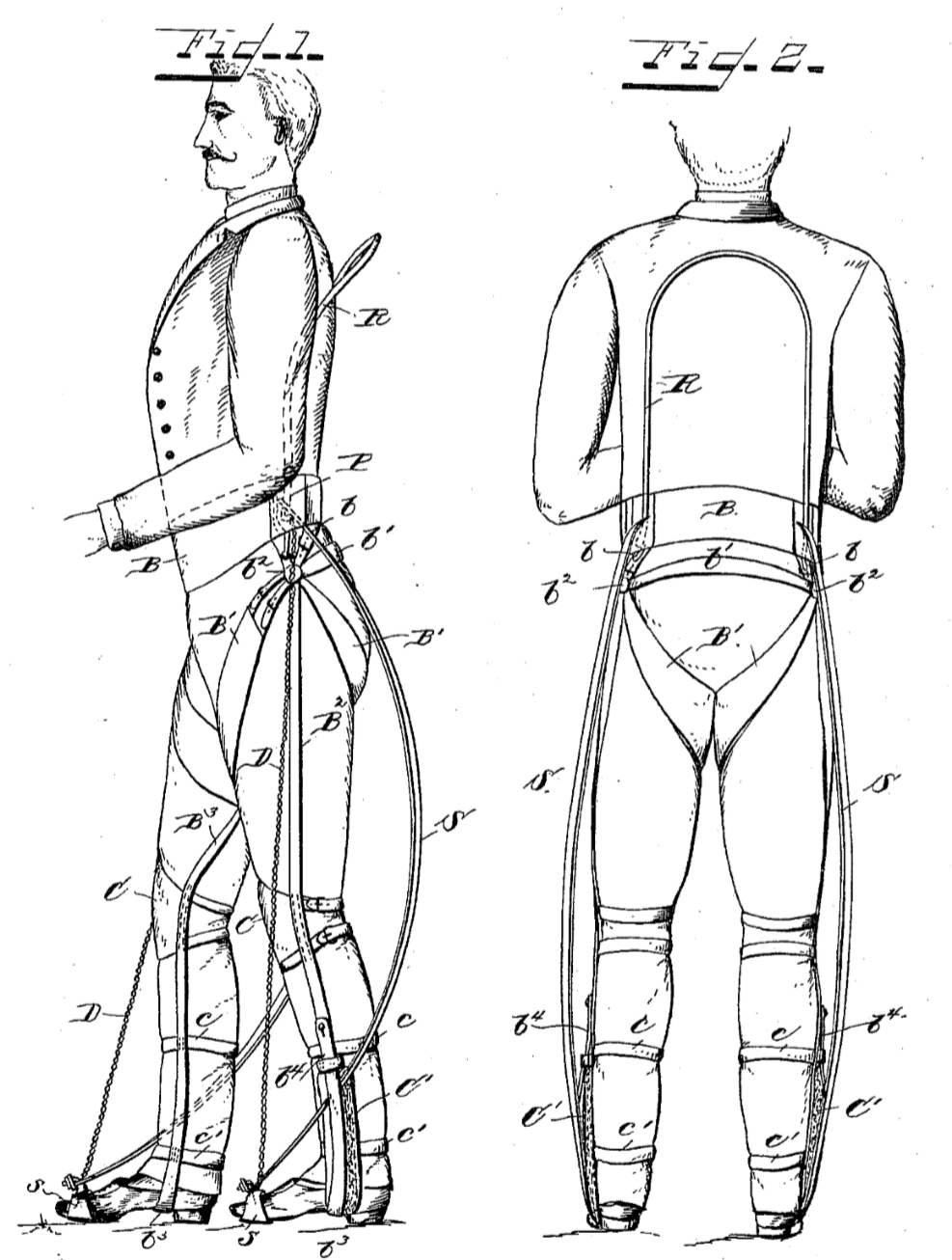
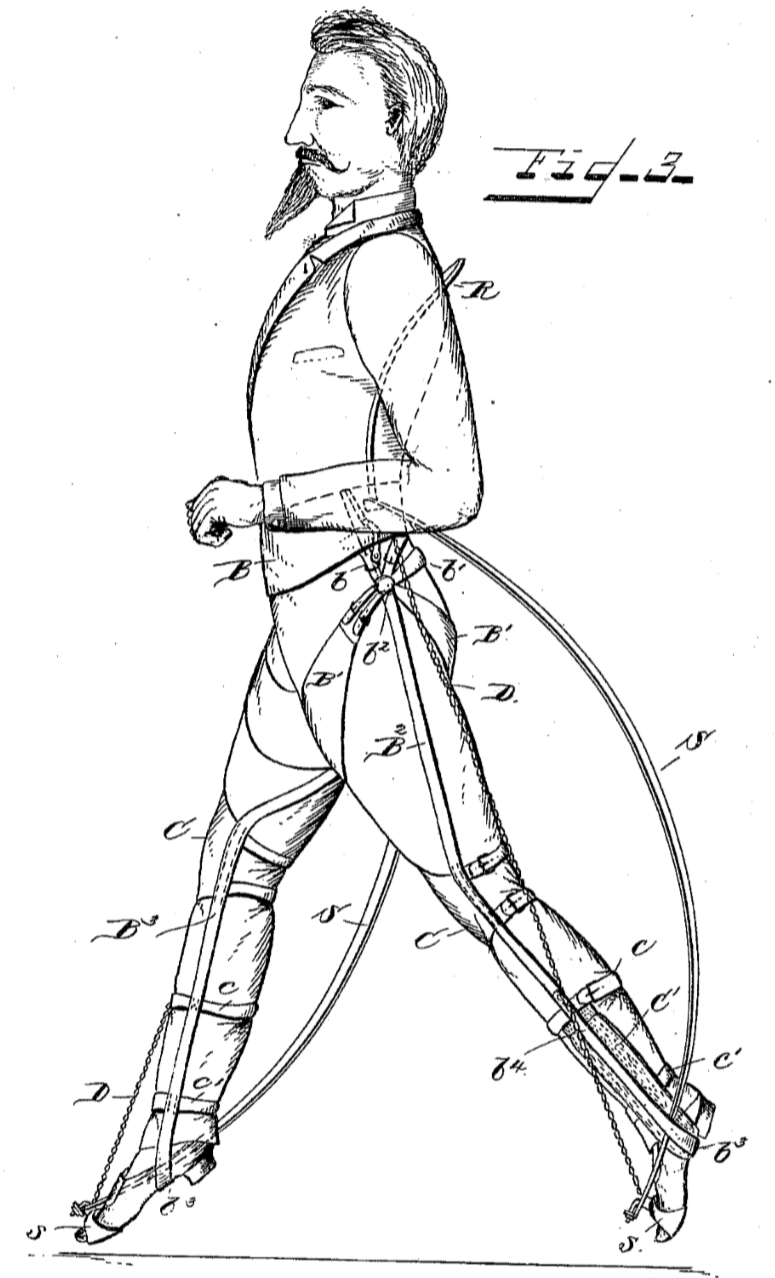
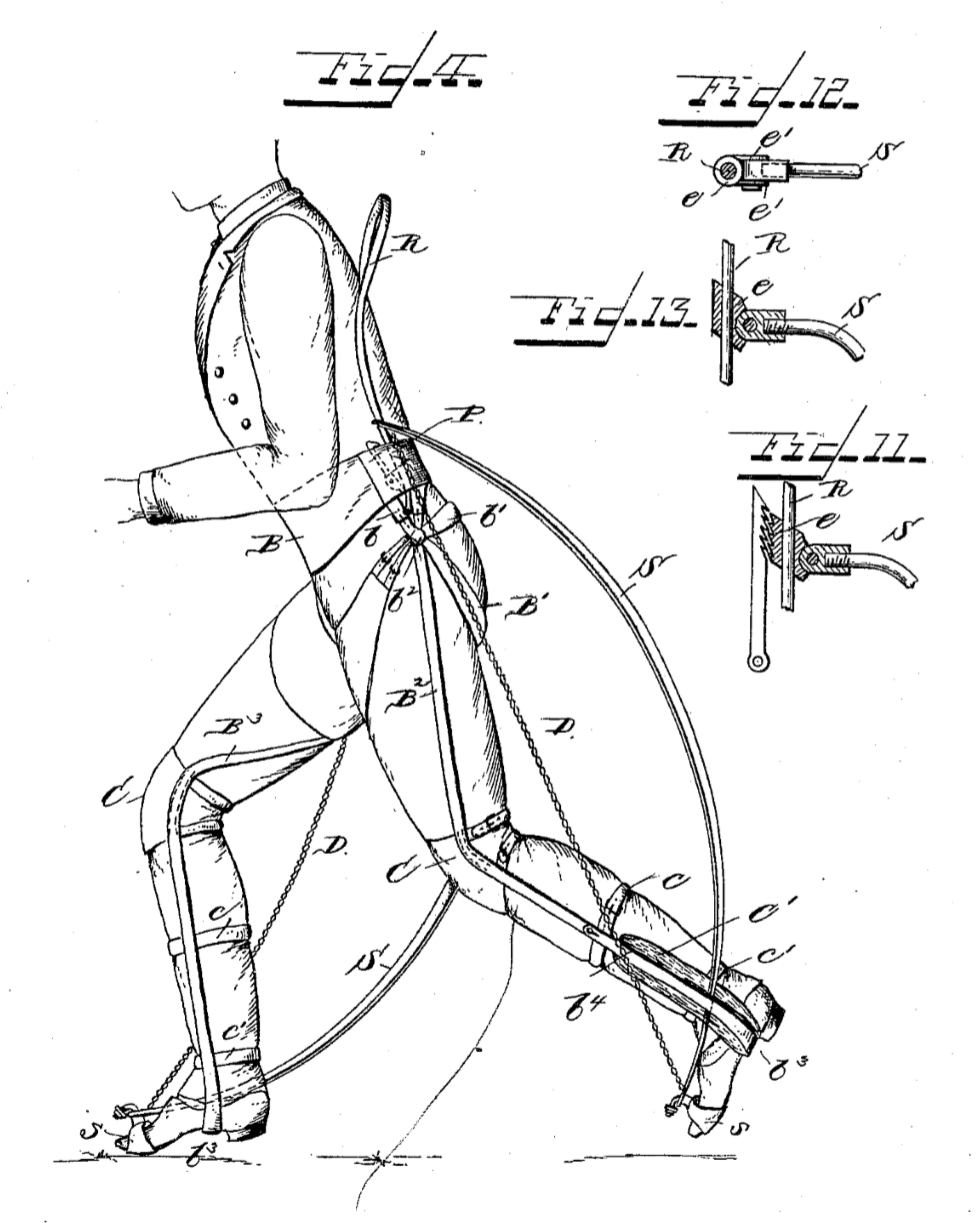
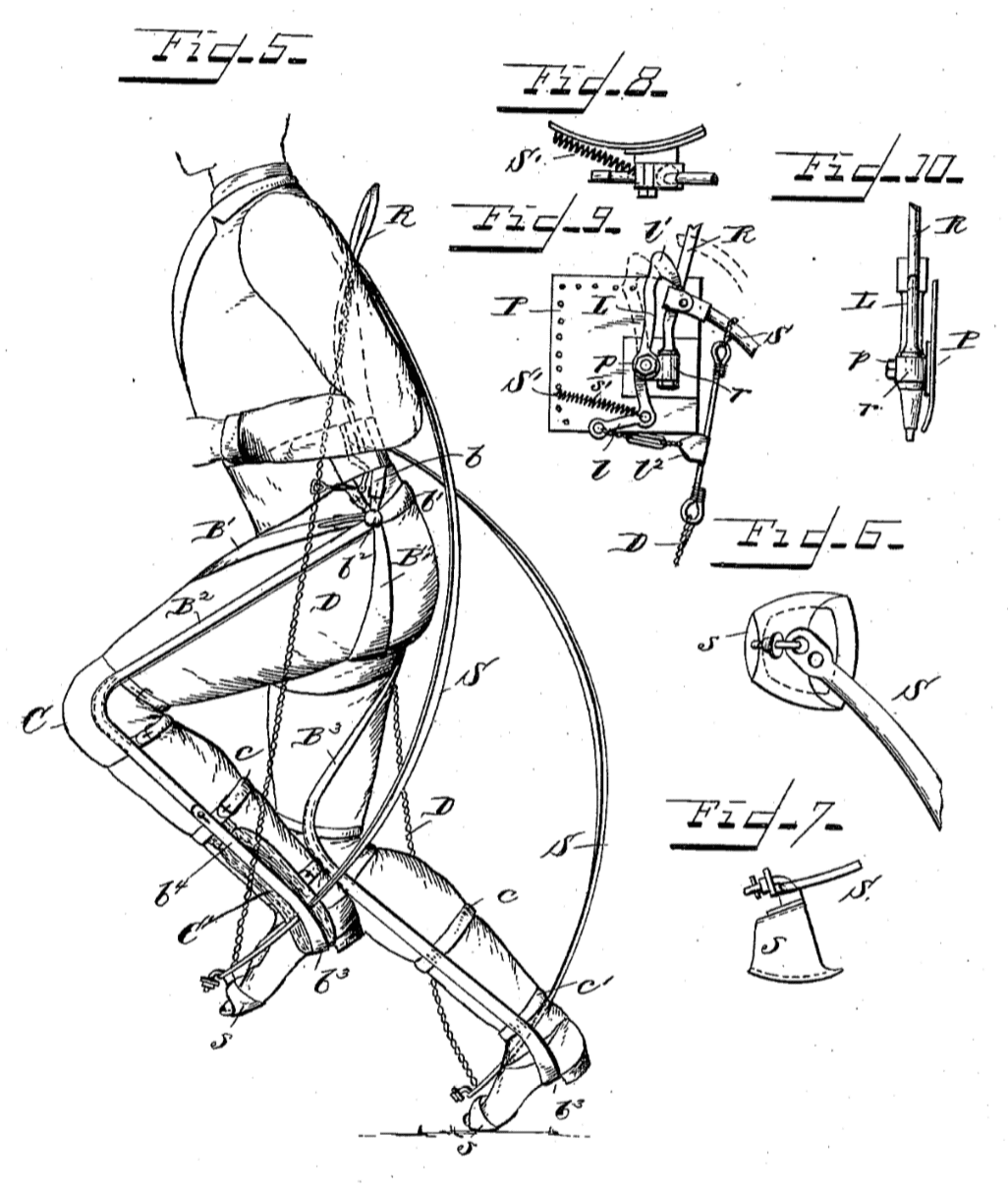
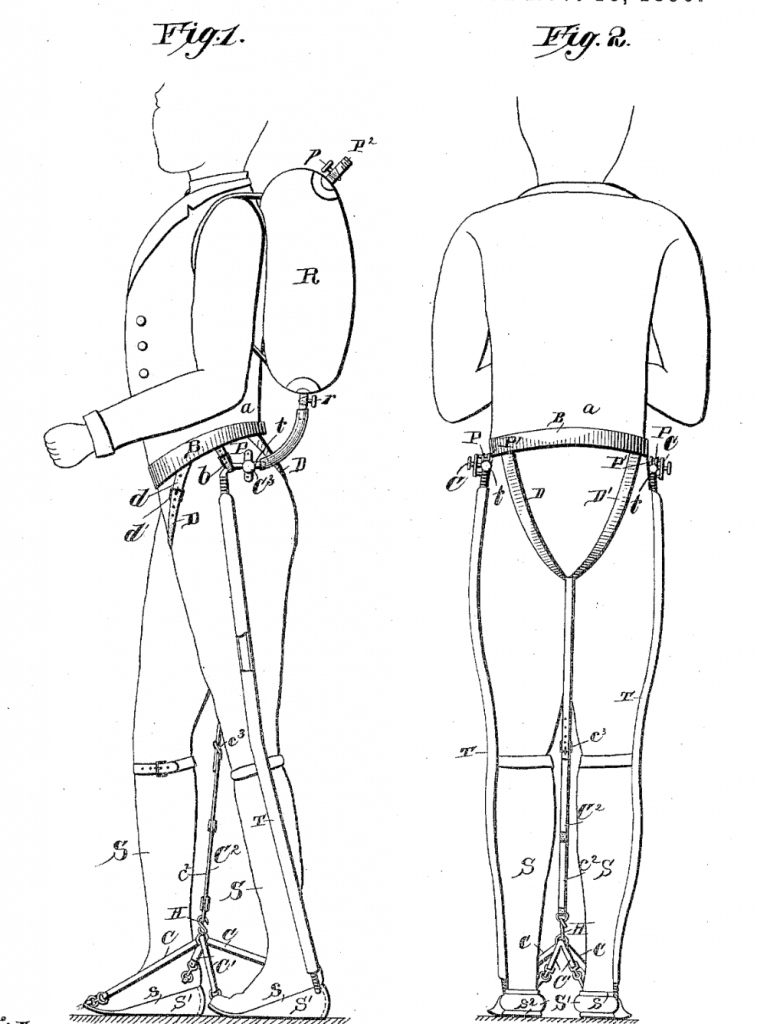
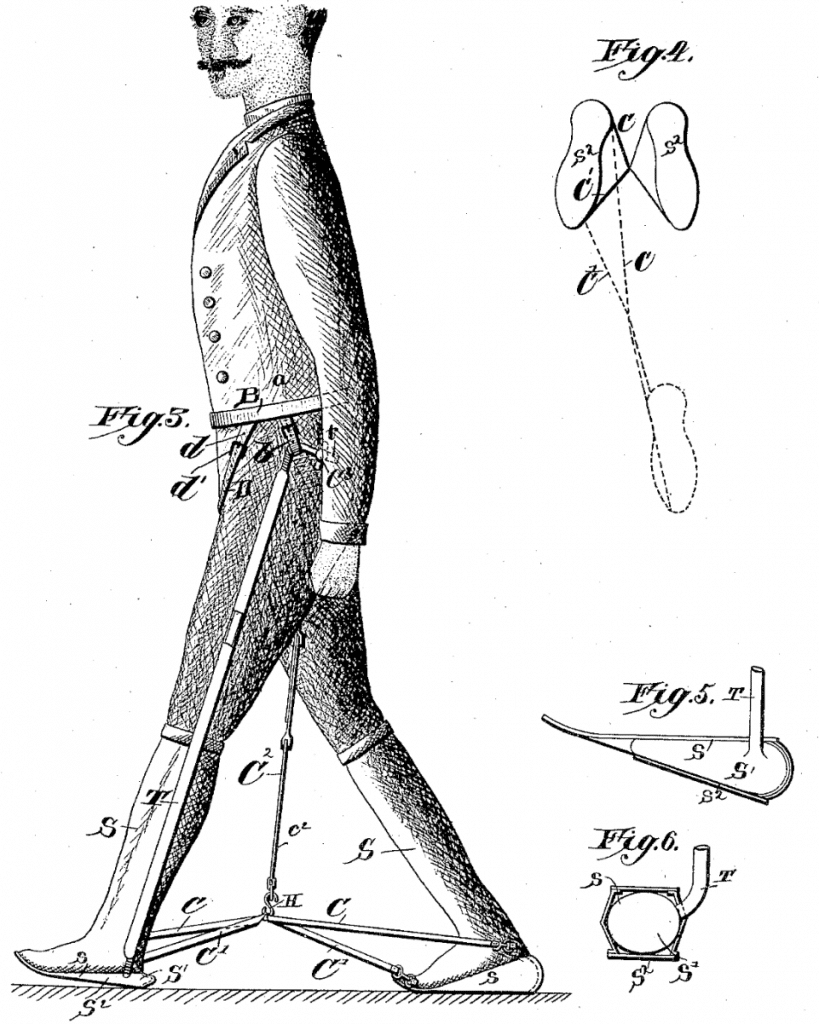
The earliest powered and unpowered exoskeleton designs were patented by Nicholas Yagn in the 1890s (US420179, US44684). These simple and fantastic drawings resemble modern exoskeleton designs and focused on assisted walking, jumping, and running. While the idea of storing energy in loaded springs and pressurized gas seems primitive, exoskeletons are limited by available technology. Recent advances in energy storage, torque generation, and material science have created new possibilities for exoskeleton design.

Design Principles

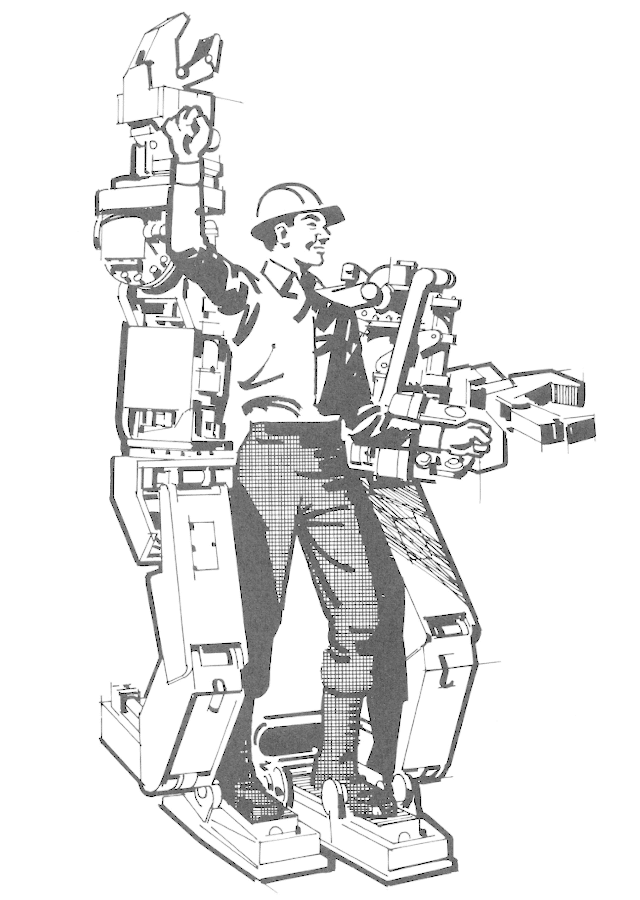
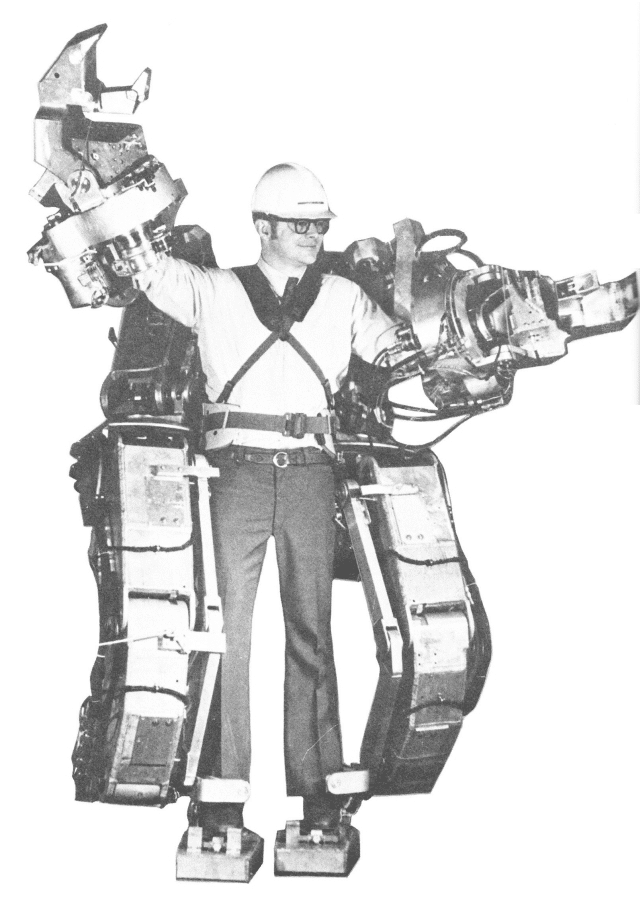
The US Army/Navy commissioned General Electric Co. in the early 1960s to design and assemble the Hardiman exoskeleton to provide strength augmentation that would allow the operator to lift 680kg. Although the the system was limited by the servo, sensor, and mechanical technology available at the time, its development led to the formation two core design principles:

  1. The recreation of all human motion is impractical from an engineering standpoint.
  2. Only specific human motions should be duplicated and must be determined experimentally.

Current State of the Art

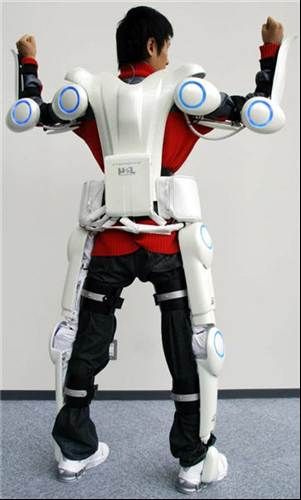
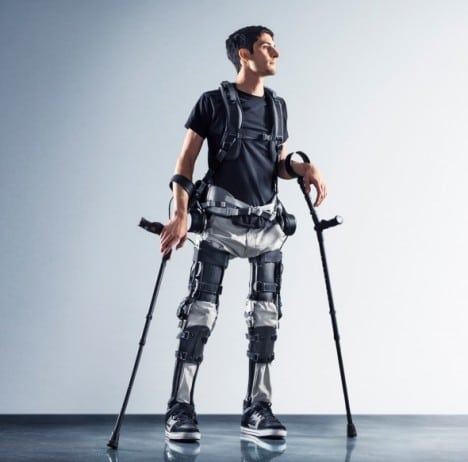
Lower Limb Exoskeleton (LLE) solutions are entering the market for medical professionals, industrial workers, and military personnel. However, a comparative report of 52 LLEs published in 2019 determined that a majority of LLE solutions were designed without a specific target application. Popular medical applications included stroke recovery, spinal cord injury, power augmentation, and geriatric rehabilitation.

The diversity in approach and focus captured by these pioneering solutions indicates growth within the field, however only a select number of solutions have entered field testing and validation studies. The first study of metabolic cost and gait impact associated with an LLE in 2010 found that the LLE increased the difficulty of the task. Restrictions associated with the financial accessibility of consumer models for trial and study limits access to key design feedback to improve the efficacy of these system.